
Elysian, KLM, and Transavia join forces for the future of electric flight
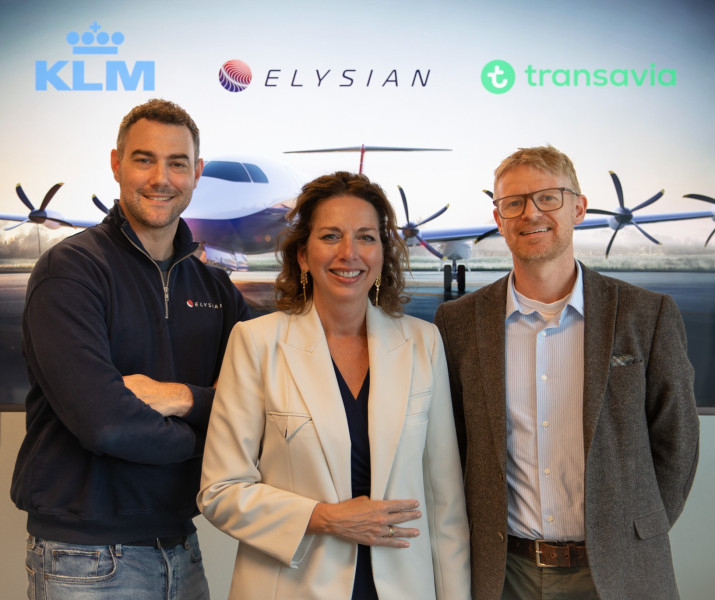
Elysian Aircraft, KLM, and Transavia are launching a knowledge-sharing initiative today to accelerate the development of battery-electric flight. Through a series of joint workshops, the parties will explore the technological, operational, and commercial requirements for deploying electric aircraft, such as Elysian’s E9X. The initiative marks an important step towards zero-emission aviation for regional distances.
Elysian is developing the E9X, the first battery-electric aircraft designed to carry 90 passengers with a range of around 800 kilometers. The technology offers opportunities for cleaner and more efficient travel, especially on short-haul routes between regional airports worldwide. According to Elysian, successful development involves more than just technical innovation.
“It’s impossible to build an aircraft that truly differs from industry norms without close collaboration with operators and airports,” says Daniel Rosen Jacobson, Co-CEO of Elysian. “This joint initiative provides crucial insights, ranging from technical requirements to passenger experience and network integration — including which routes would or wouldn’t work from an operational and economic standpoint. It’s eye-opening to see that, in many cases, we can actually operate more sustainably and at lower cost than trains, and that busy routes like Amsterdam–London are highly feasible for electric flight.”
Cross-functional expertise
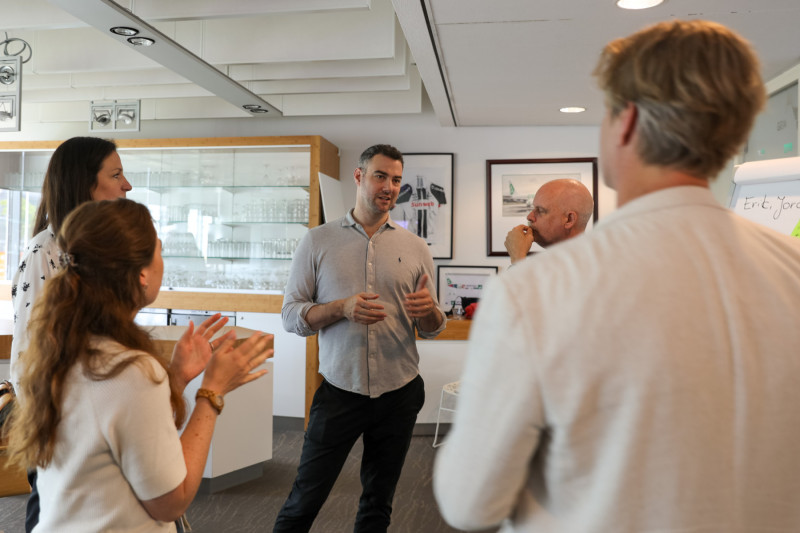
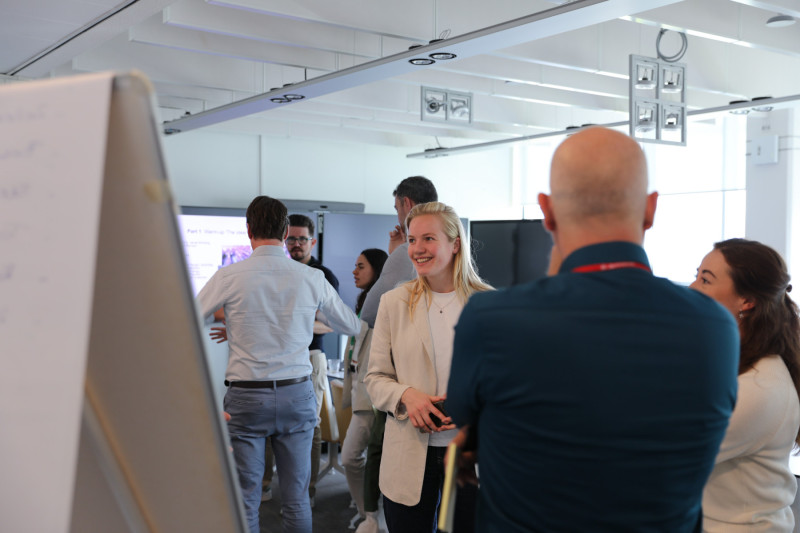
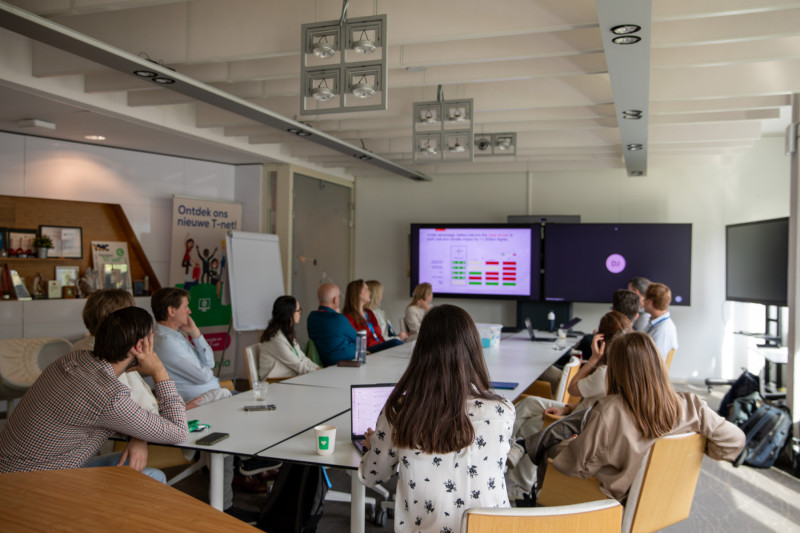
The workshops bring together experts from a wide range of disciplines — from aircraft designers to maintenance engineers, and from network planners to revenue managers. They tackle key challenges to unlock the full potential of electric aviation. The participating airlines contribute vital knowledge on operational and commercial processes, which are essential for the design, development, and launch of the electric aircraft.
Transavia: realism and experience as drivers of innovation
As an airline, Transavia feels a responsibility to actively contribute to innovation and the decarbonization of aviation. The collaboration with Elysian aligns with other sustainability initiatives, such as fleet renewal and the use of sustainable aviation fuel (SAF).
“Electrification is a promising direction we truly believe in. This partnership enables us to take concrete steps toward making air travel more sustainable, while maintaining a realistic view on operational and commercial viability,” says Oliver Newton, Lead Sustainability & Innovation at Transavia. “It’s a challenge to link technical innovation with passenger experience, network planning, and costs — but we’re fully committed.”
Transavia contributes valuable expertise in maintenance, operations, and customer experience. Some early ideas — such as battery swaps by cabin crew — turned out to be unworkable in practice. At the same time, new insights emerged, such as opening routes to destinations that currently see too little demand for larger aircraft.
KLM: future-oriented thinking with industry-wide impact
KLM recognizes that zero-emission flying won’t happen overnight. Together with industry partners, the airline is exploring the potential of electric, hydrogen, and hybrid propulsion. Jolanda Stevens, Program Manager Zero Emission Aviation at KLM, joined Elysian’s Advisory Board in April 2024.
“By better understanding what this aircraft will look like and how it will operate, we can contribute our operational experience to the final design. This collaboration also helps us think ahead about how the industry can evolve,” says Stevens.
A key element of the partnership is pilot involvement, offering essential feedback on aircraft performance and fuel management.
“Pilots have a deep understanding of what works — and what doesn’t — in an aircraft. For example, two separate energy sources on board require a whole new approach to energy management for the crew, which must be factored into the design,” Stevens adds.
Next steps
In the coming months, the partners will continue working on practical use cases, route analyses, and passenger propositions. The shared ambition is not just to build a more sustainable aircraft, but to design an entire ecosystem around it.
“We’re not only striving for zero-emission flight — we also want to redefine the 21st-century passenger experience,” says Daniel Rosen Jacobson of Elysian. “What elements are outdated? How can we make flying more enjoyable, efficient, and sustainable? We aim to find those answers together.”
This strategic partnership marks an important step toward a more sustainable future for aviation, with innovation and collaboration going hand in hand.
This press release was translated using automated tools. Please refer to the original Dutch version for the most accurate information.