
Time flies: from Douglas to Airbus
In 2025, Transavia will celebrate its 60th anniversary. Under the motto 'Time flies', we will look back on six decades of growth, innovation and special moments. Aviation changed rapidly: flying became cleaner, quieter and more economical. The Transavia fleet also underwent an impressive evolution in sixty years.
The first flight with Douglas
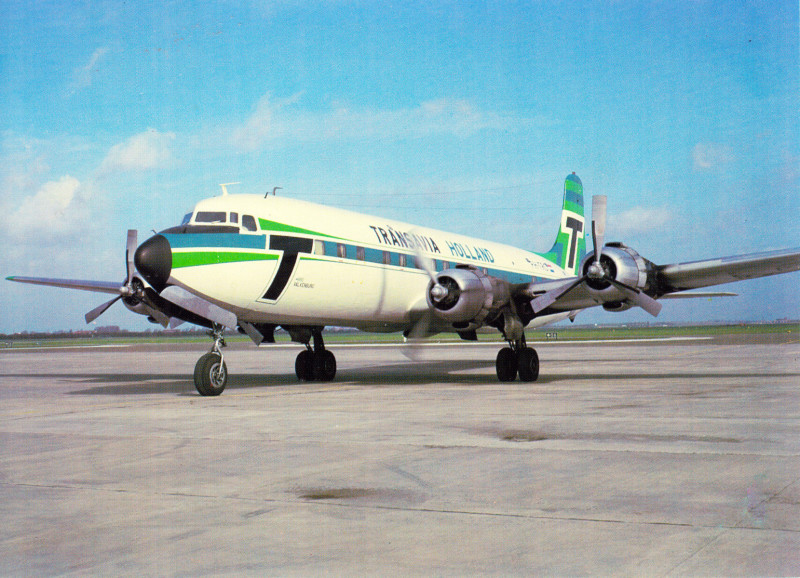
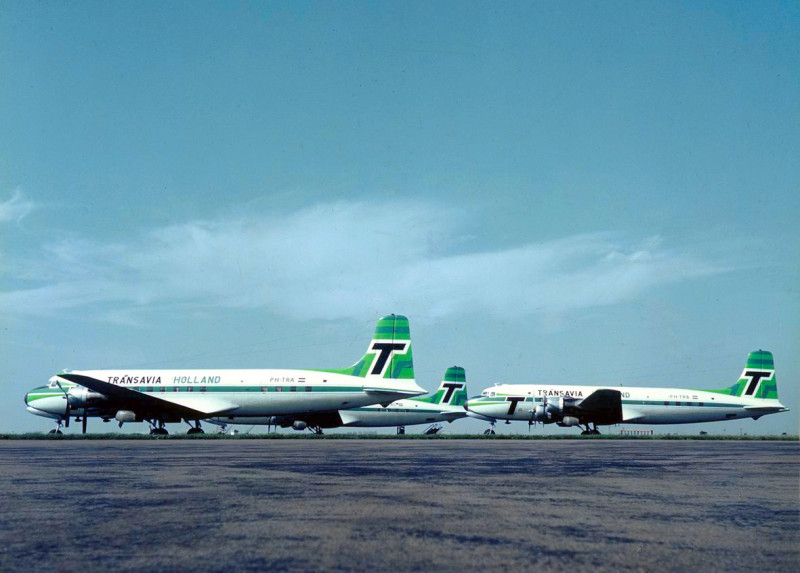
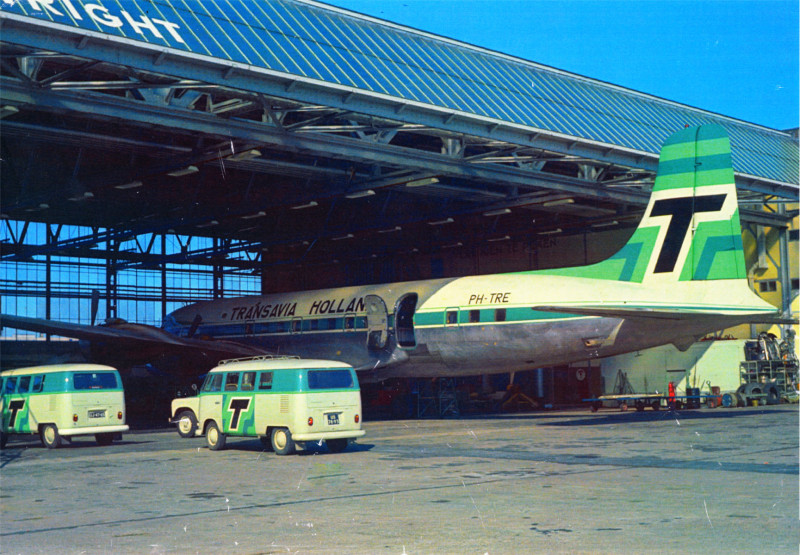
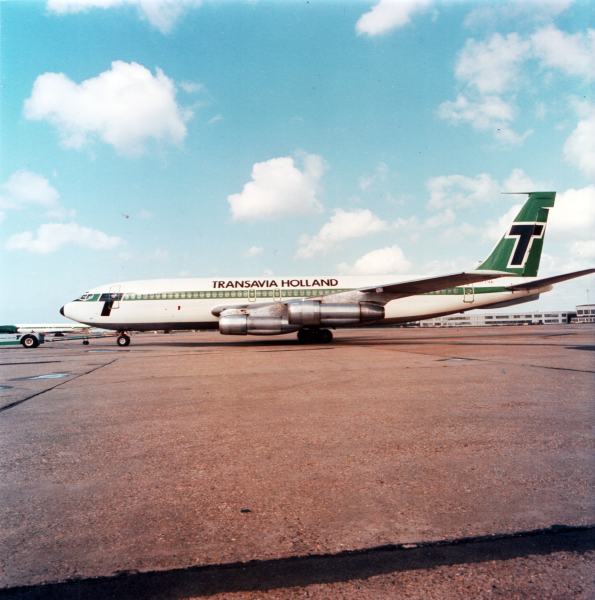
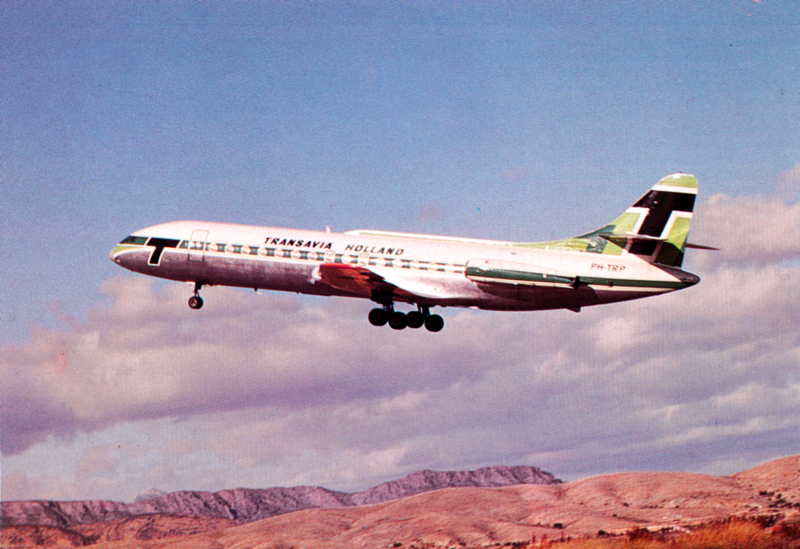
The take-off took place with three Douglas DC-6s, a powerful propeller aircraft from the 1950s with 80 seats. At that time one of the most luxurious and reliable aircraft. On November 17, 1966, the first commercial flight was made, from Amsterdam to Naples. At the end of the 1960s, the propeller aircraft made way for jet aircraft, such as the Boeing 707 and Caravelle, which could fly considerably faster.
The Boeing 737 as the backbone
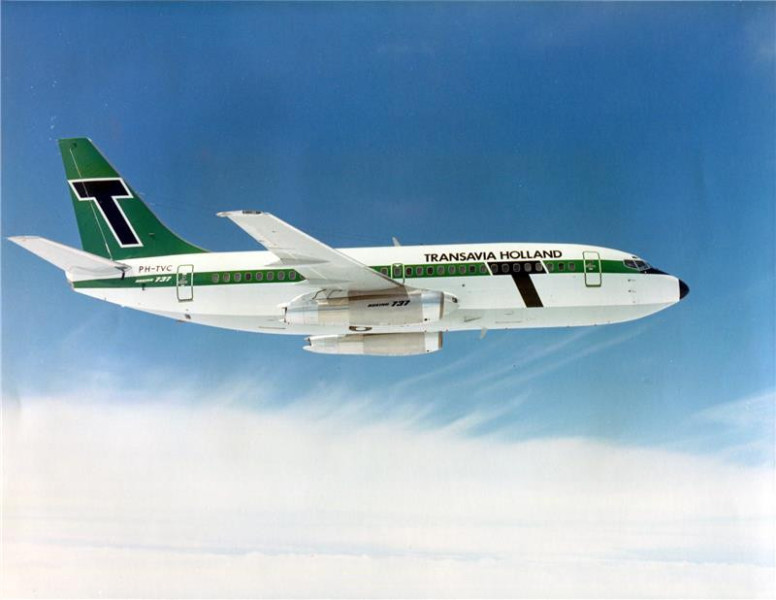
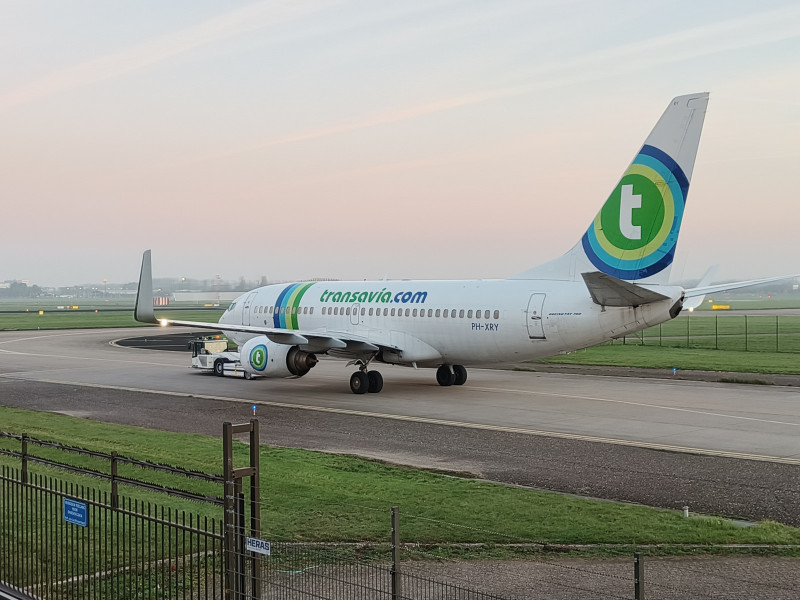
In 1974, Transavia was the first Dutch airline to use the Boeing 737. This type laid the foundation for the growth to the largest holiday airline in the Netherlands. It started with the Boeing 737-200, of which 21 flew for Transavia. From 1986 onwards, a gradual replacement by 14 larger Boeing 737-300 followed. There was room for 130-149 passengers on board these aircraft.
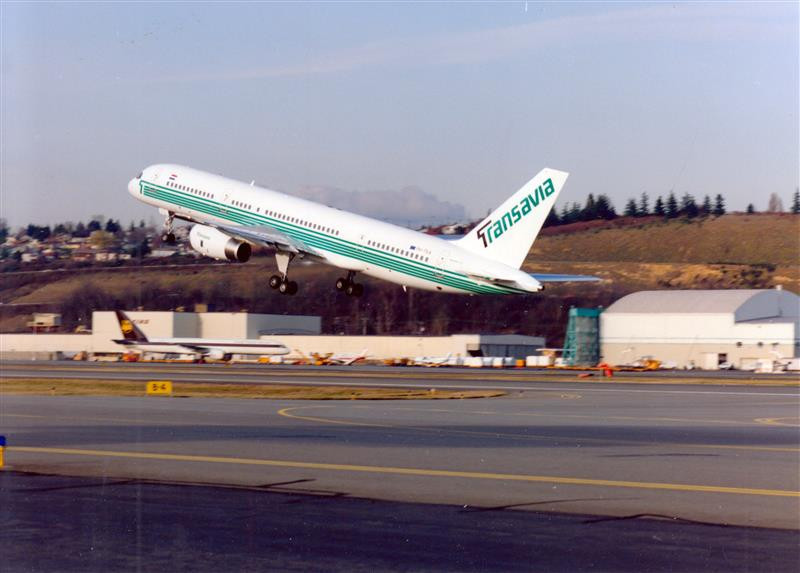
Between 1992 and 2003, the fleet was strengthened with the Boeing 757-200 with a higher capacity (219 passengers), suitable for flights to extra popular destinations.
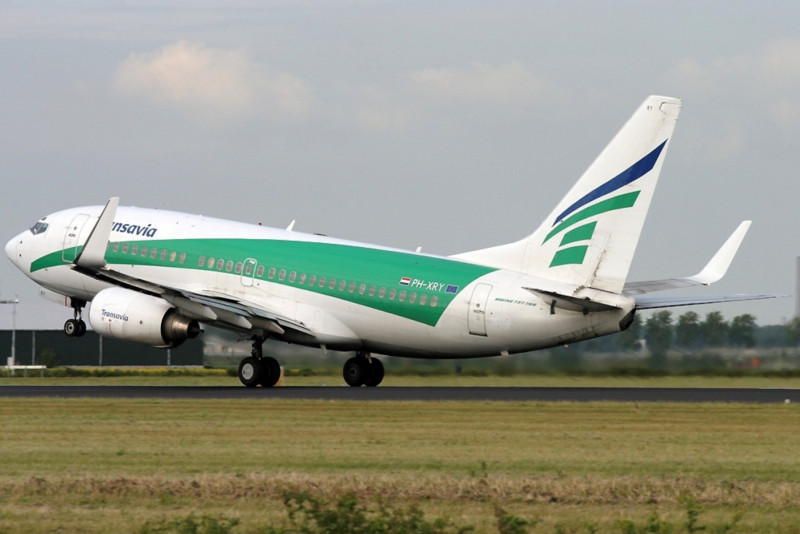
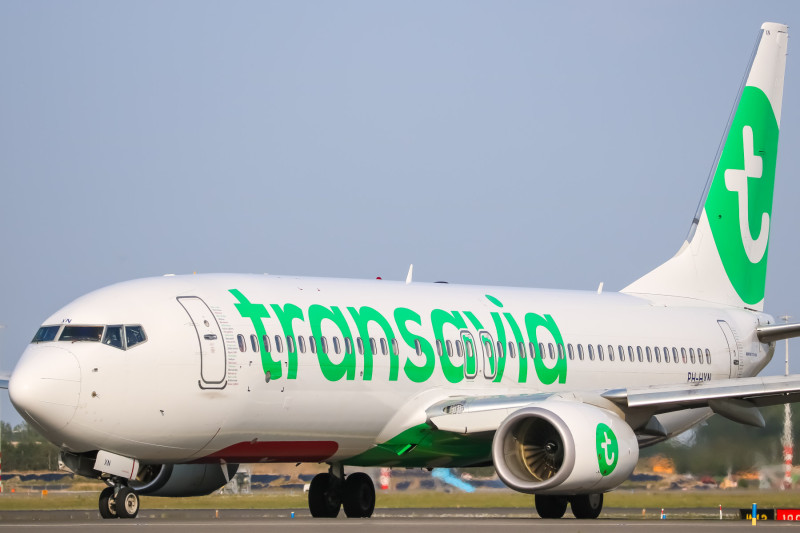
In 1999, the new generation arrived: the Boeing 737-700 and -800 'Next Generation'. With improved engines and aerodynamics, fuel consumption decreased by 15–20%, which led to lower emissions and noise perception. With 189 seats in the -800 and a more economical operation, the low-cost model for Transavia came within reach. This made flying more affordable for a larger target group and the Boeing 737 the backbone of the Transavia fleet.
Moving into the future with Airbus
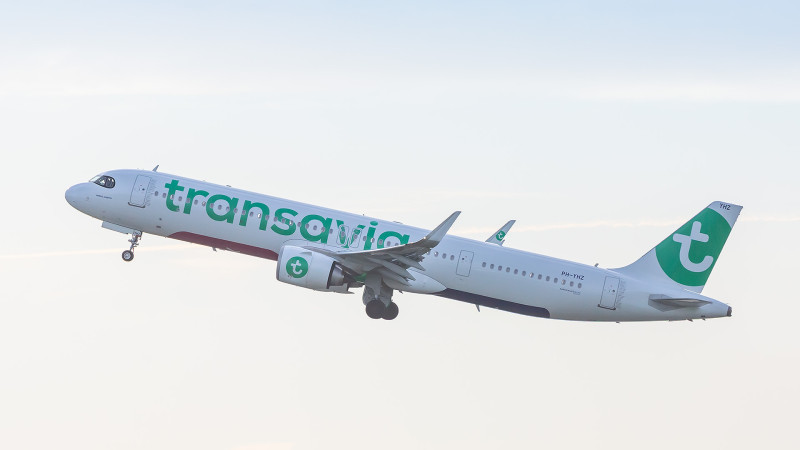
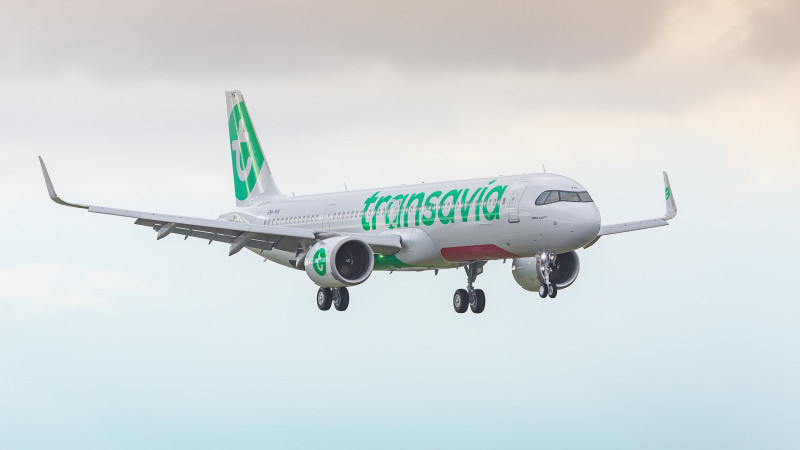
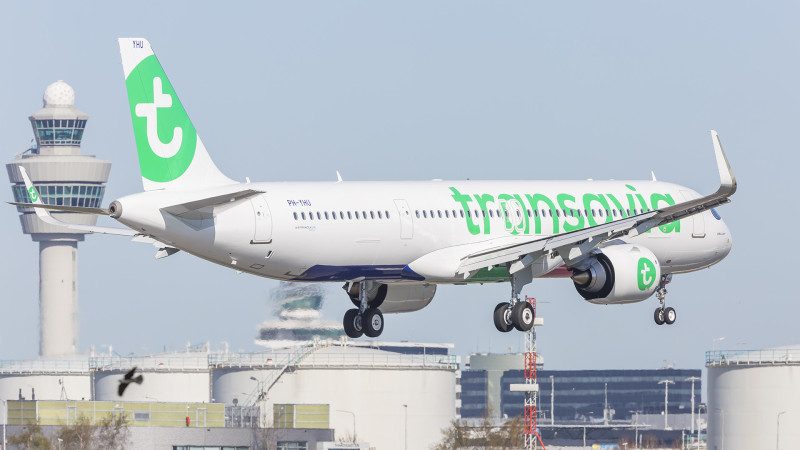
In 2023, the first Airbus A321neo entered service. This aircraft marks a cleaner, quieter and more economical future. The selected engines reduce the noise footprint by 50%. This contributes to a 20% reduction in noise pollution around Schiphol. In addition, these aircraft emit around 15% less CO₂ than their predecessors. Transavia is investing billions to renew its entire fleet with this latest generation of Airbus aircraft in the coming years.
This press release was translated using automated tools. Please refer to the original Dutch version for the most accurate information.